Recycling gets talked about as a virtue. In the case of concrete and asphalt it is mostly just good sense, and the reasons are concrete enough to list. Here they are, in rough order of how much they matter to a San Diego contractor on a Tuesday morning.
1. It is usually the cheaper option
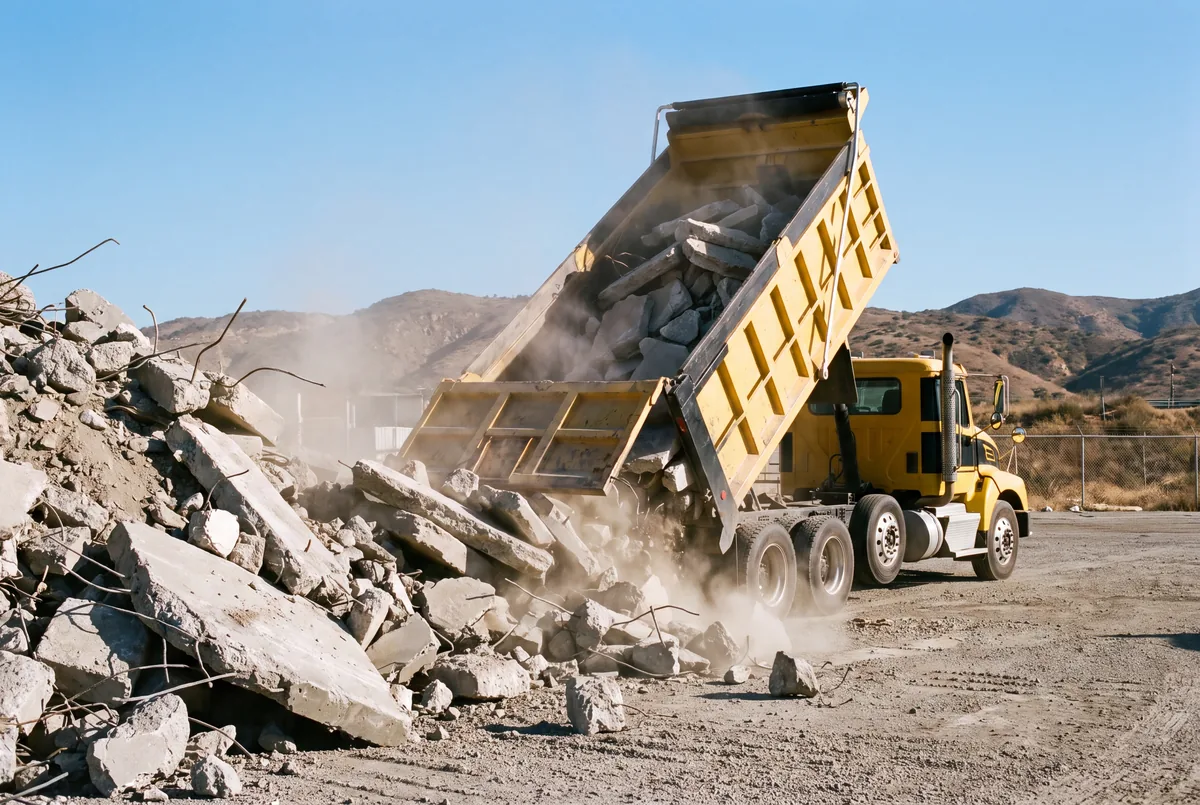
A recycling yard wants your clean concrete; a landfill is doing you a favor by taking it. That difference shows up at the gate. And the yard sells the finished base material for less than virgin rock trucked in from a quarry, because the raw material was delivered to its doorstep. A contractor who dumps at a recycler and buys base from the same yard is saving on both ends of the job.
2. Landfill space is finite and far
Inert debris like concrete does not rot or off-gas, but it takes up room, and landfill capacity in a county of more than three million people is a managed resource with an end date. Concrete and asphalt are also some of the heaviest, bulkiest things a landfill receives. Keeping them out of the landfill stream is the single easiest way a construction project reduces its waste footprint.
3. California requires most projects to divert it anyway
California’s green building code, CALGreen, requires most construction and demolition projects to divert at least 65 percent of their nonhazardous waste from the landfill, and many cities layer their own ordinances and reporting on top of that. Concrete and asphalt are the easiest materials to divert because there is an established market for them. A project that recycles its concrete has often met most of its diversion target in one line of the waste log — with weight tickets from the yard to prove it.
4. Every ton recycled is a ton not quarried
Aggregate — crushed rock, sand, and gravel — is the most-mined material on the planet by volume, and hauling it is a large share of its cost and its emissions. Recycled base replaces virgin aggregate one for one in most base applications. Using it means fewer quarry trucks on the freeway and less blasting in the hills, and it keeps a local material in local use.
It is worth being precise about what recycling does and does not fix. Making cement is energy-intensive and a meaningful source of global carbon emissions; crushing an old slab does not undo that. What recycling does is keep the aggregate — the bulk of the material — in circulation, and avoid the mining and hauling of new rock to replace it.
5. The product is good
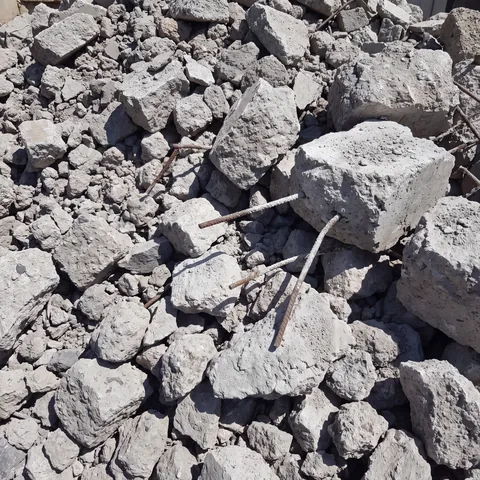
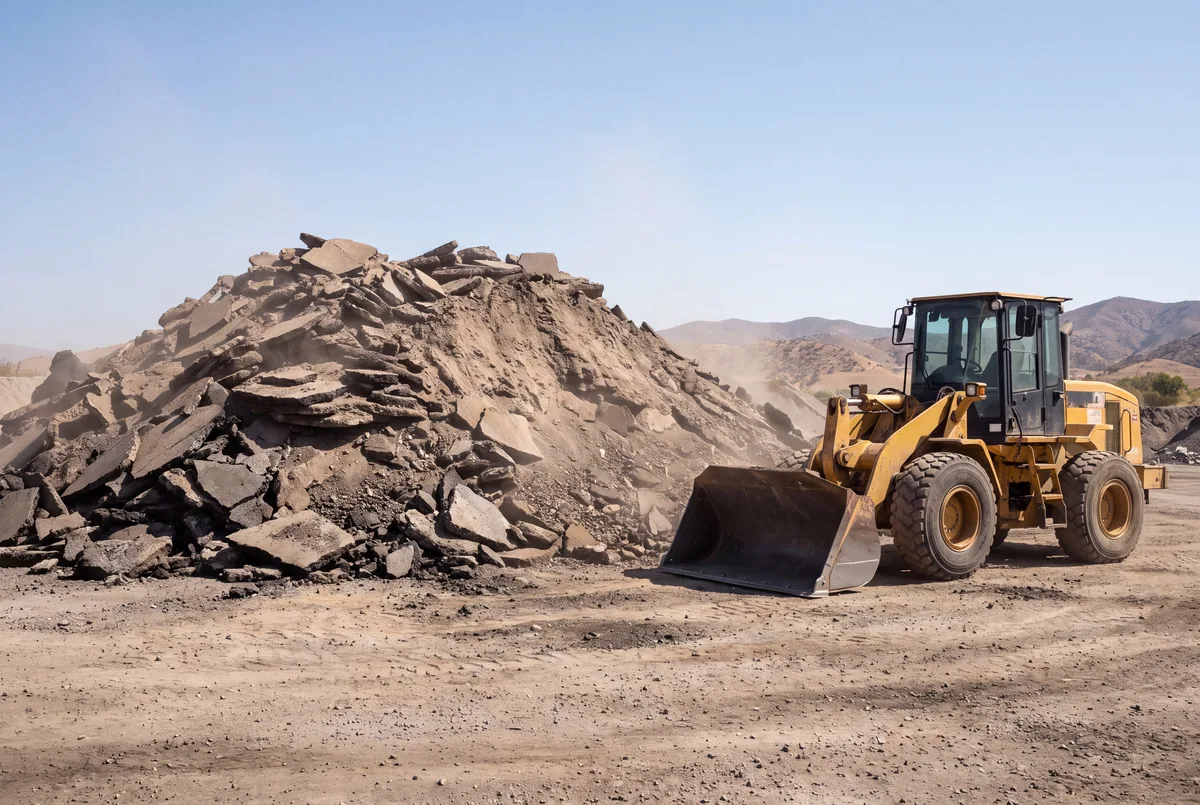
None of the above would matter if recycled base were a second-rate material. It is not. Crushed concrete compacts into a dense, stable layer that public agencies accept in their standard base specifications. Recycled asphalt binds into a firm, dust-free driving surface that performs better than loose gravel. Engineers specify both routinely. The “recycled” in the name describes where it came from, not how well it works.
What this means on a job site
- Keep concrete and asphalt separate from other demolition debris from the first day.
- Take clean loads to a recycling yard, not the landfill. Keep the weight tickets for your diversion reporting.
- Buy recycled base for the next phase from the same yard, and save a trip.
- If the job is large or the crew is short, book hauling so the material goes straight from the site to the recycler.