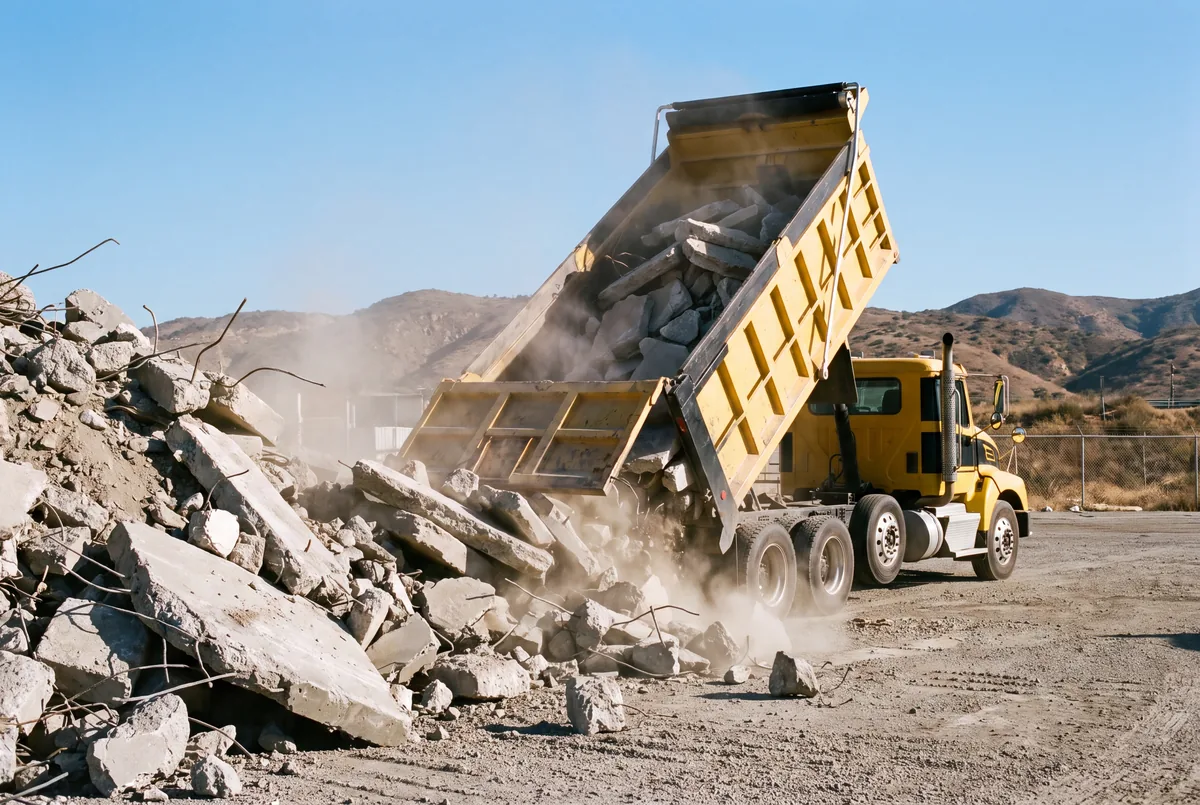
Every driveway replacement, patio tear-out, and slab demolition in San Diego ends the same way: a pile of broken concrete that has to leave the property. Where it goes matters more than most people realize. It affects what you pay, how long you spend in line, whether the material gets reused, and in some cases whether your project meets California’s waste-diversion rules.
This guide walks through the options as they actually exist in San Diego County, without the sales pitch. It also explains the few variables that control what a load costs, because “how much is it to dump concrete?” has a real answer — it just is not a single number.
Option 1: The landfill
County landfills accept concrete as inert debris. The upside is that they take almost anything, so a mixed load of concrete, dirt, and miscellaneous debris can go in one trip. The downside is that you are paying to bury a material that is almost entirely reusable, and landfill gate rates are set by weight, so a dense load of concrete is one of the more expensive things you can tip.
Landfills also tend to have longer lines and more paperwork, and the material you drop is gone — there is nothing to buy back for the next phase of the job.
Option 2: A transfer station
Transfer stations are closer to many neighborhoods than the landfill, and they accept a wide range of material. Most of what arrives, though, is sorted and then trucked somewhere else — sometimes to a recycler, sometimes to the landfill. You pay for that extra handling. For a small mixed load from a home cleanout, a transfer station can be convenient. For a load that is mostly concrete, it is usually a middleman.
Option 3: A concrete recycling yard
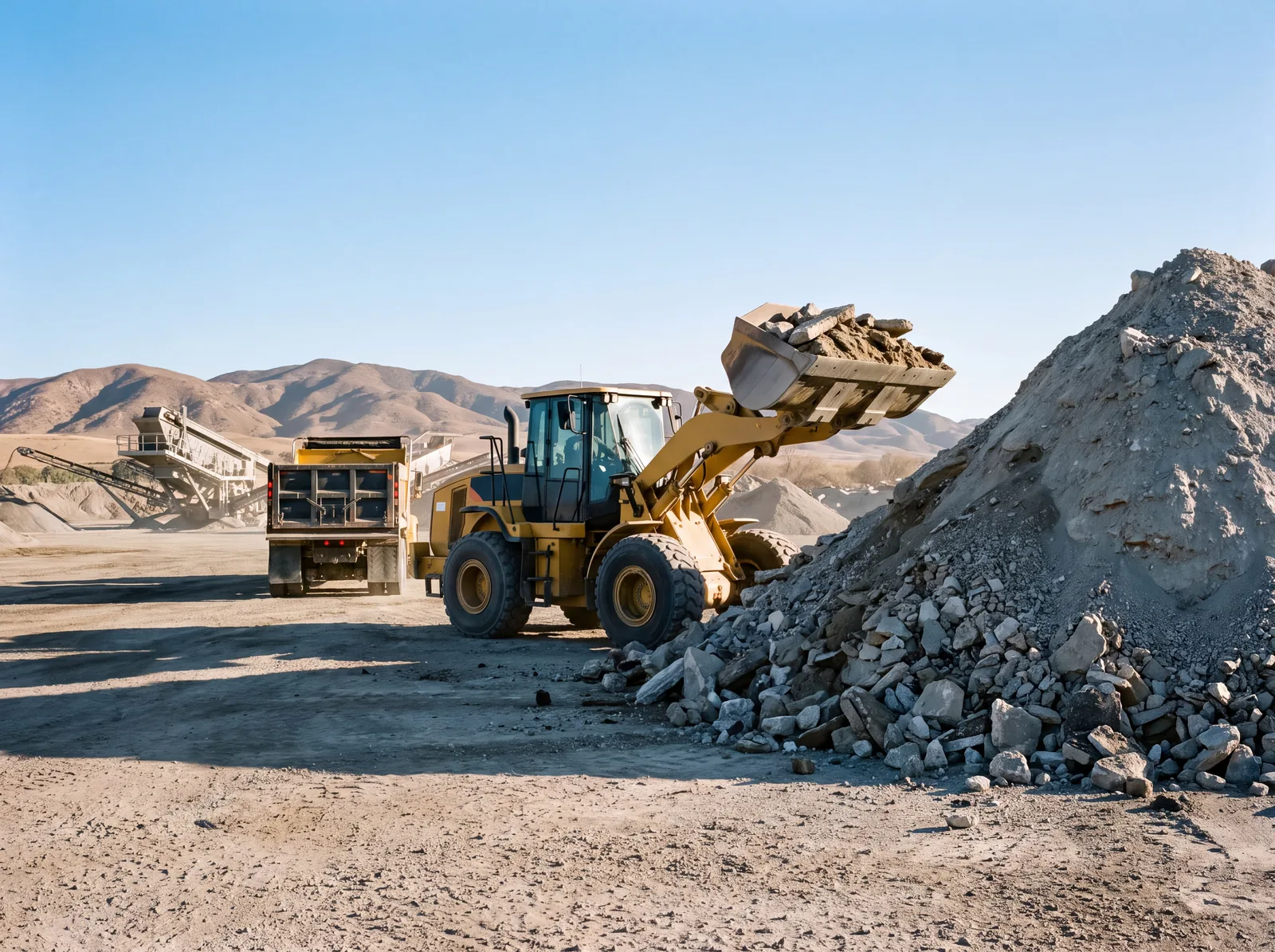
A recycling yard accepts clean concrete and asphalt, crushes it, screens it, and sells it back as recycled base material. Because the yard wants the material, the economics are different: a clean load of concrete is a raw material to them, not waste. That is why recycling yards are typically the most economical place to take concrete, and why they are the only option where the same truck can leave with base material for the next job.
The trade-off is that recyclers are selective. The load has to be clean, the pieces have to be a manageable size, and there cannot be trash, dirt, or hazardous material mixed in. That selectivity is exactly what keeps the gate fast and the price reasonable for everyone.
What actually decides the price
Rates change over time and differ by facility, so no honest article can give you a number that will still be right next month. What stays constant are the factors that move the number up or down. If you control these, you control most of your cost.
- How clean the load is. Concrete with dirt mixed in costs more everywhere, because dirt has to be screened out or the whole load gets downgraded. Keep soil off the pile.
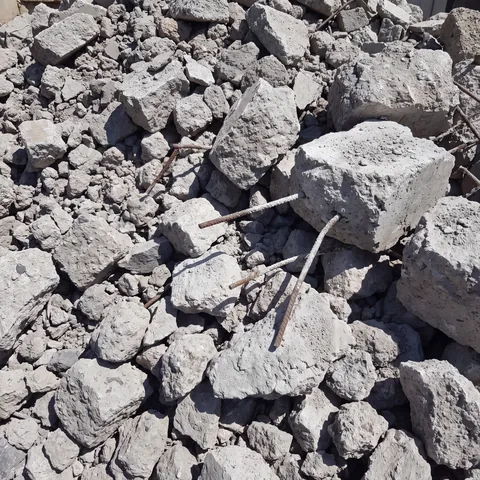
- Rebar and wire. A little rebar embedded in concrete is normal. Excessive rebar, mesh, or wire sticking out of the pieces means extra handling and a higher rate — or a refused load.
- Piece size. Most recycling yards cap pieces at roughly 2 × 2 × 2 feet so they can feed the crusher. Oversize chunks are charged extra or turned away. Break them down on site.
- Weight or volume. Some facilities charge by the ton, some by the cubic yard, some per load by truck size. Ask how the facility measures before you haul.
- Timing. Showing up after hours, or on a day the yard is closed, means a reopening fee or a wasted trip. Call ahead.
A simple decision rule
If the load is mostly clean concrete or asphalt, take it to a recycling yard. If it is a genuine mix of debris that cannot be sorted, the landfill or a transfer station is the right call. If you are not sure, spend ten minutes sorting on site — pulling trash and dirt off a concrete pile is almost always worth the gate rate it saves.
And whichever way you go, call first. Hours, accepted materials, and rates all change. A thirty-second phone call beats a wasted trip with a loaded trailer.