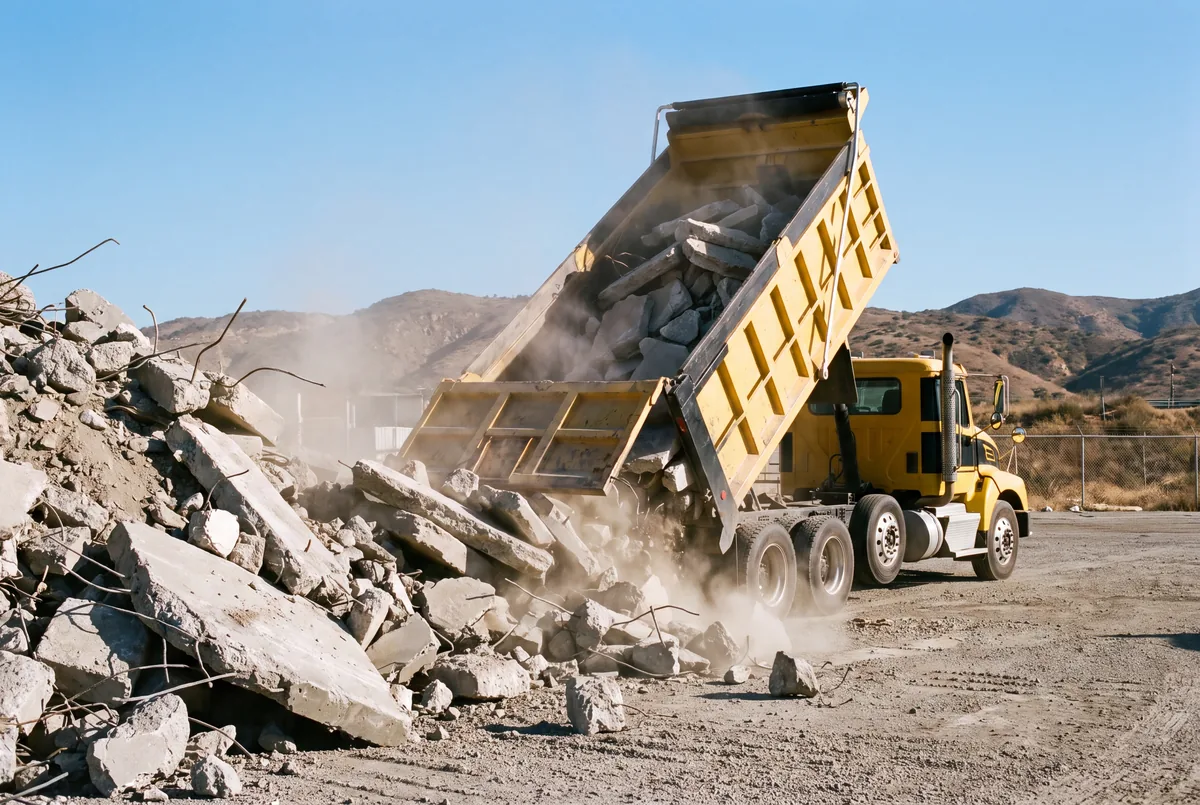
Demolition and hauling is a trade with a low barrier to entry: a truck, a trailer, and a classified ad is enough to get started. Plenty of those operators are excellent. Some are not, and the difference is hard to see from a quote. These questions are the ones that reveal it.
1. Are you licensed, and for what?
In California, a contractor doing work valued at more than a modest threshold needs a license from the Contractors State License Board. For demolition work, that typically means a C-21 (Building Moving/Demolition) or a general contractor’s license. Hauling by itself may not require one, but any demolition that comes with it does. Ask for the license number and look it up on the CSLB website; it takes a minute and shows whether the license is active and bonded.
2. Are you insured?
Ask for proof of general liability insurance and, if they have employees, workers’ compensation. A dropped slab through a neighbor’s fence or an injured worker on your property becomes your problem if the contractor is not covered. A legitimate operator will send a certificate without hesitation.
3. Where exactly does my material go?
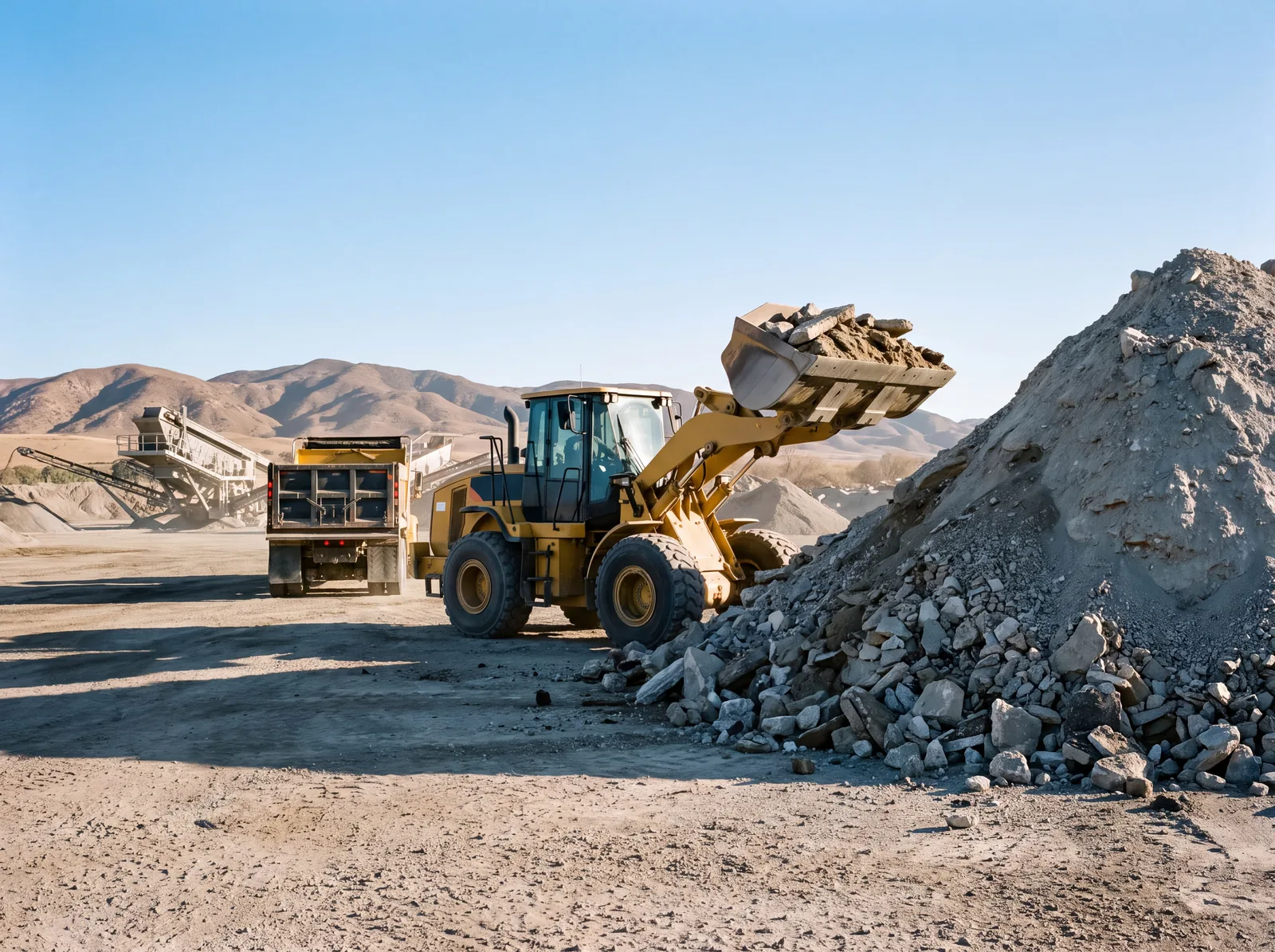
This is the question that separates professionals from the rest. A good answer names the facility — a specific recycling yard or landfill — and offers to provide the weight tickets. A vague answer (“we take care of it”) is a warning sign; illegally dumped debris is traced back to the property it came from, and the fines land on the owner.
Bonus points if the answer is a recycling yard. It is usually cheaper, and it means your project’s diversion numbers are covered.
4. What is included in the price, and what is not?
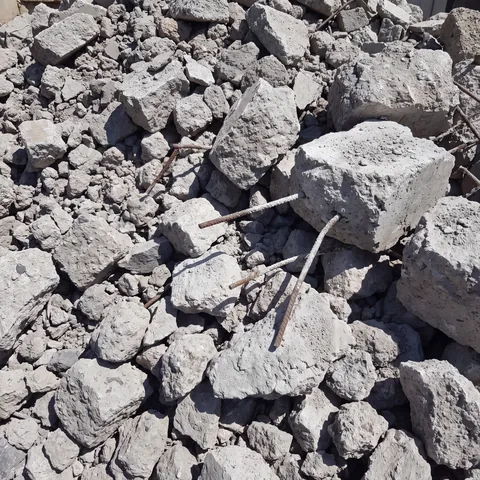
Does the quote cover breaking the concrete, cutting and removing rebar, loading, hauling, and the gate fee at the destination? Or is it hauling only, with the demolition extra? Is there a charge if the material turns out to have dirt or debris mixed in? Get it in writing. The most common dispute in this trade is a quote that quietly assumed a clean, broken-out pile that was not.
5. How will you protect what stays?
A tear-out happens next to things you are keeping — the house, the lawn, the pool, the neighbor’s wall. Ask how they will keep a skid steer off the irrigation lines and the rubble off the landscaping. Someone who has done this before has an answer ready.
6. What about utilities?
Any contractor who breaks ground should call 811 for a utility locate before starting. Ask whether they will, or whether they expect you to. A contractor who shrugs at this question has not been doing it long or has been lucky.
7. When will you start, and when will you be done?
Get dates, and ask what happens if they slip. A container that sits full in your driveway for two extra weeks, or a half-demolished patio over a holiday weekend, is a real cost even if no money changes hands.
8. Can I see something you have done?
References, photos, or a nearby address they have worked at. Reviews help too, though read them for specifics rather than star counts. The best sign is a contractor who talks about the destination of the material and the condition of the site afterward without being asked, because that is what a professional thinks about.